Website Development Process

Our 7 Stage website development process ensures you'll get the design, build and functionality you want.
Following the right website planning and development sequence is made easy, with in-person consultations every step of the way.

Message Us
website development

Important Things to Consider When Commissioning a New Website Development

Commissioning a new website is one of the most valuable investments your business can make—but also one of the most complex. A modern website is more than a digital brochure. This silent salesman who never takes a day off is also a living, breathing tool for:

  • growth,
  • customer interaction, and
  • brand storytelling.

To get it right, you need more than good visuals—you need:

  • a clear strategy,
  • sound functionality, and
  • future-proof design.

Let’s look at the key factors to consider when planning your new website development.

Don’t Start With a Code Block.
Start With a Conversation

Beginning Your Website Development Journey as a Business Owner or Marketer

The most successful websites begin not with a homepage mock-up or a flashy logo, but with a focused combined search engine optimisation and web design strategy session together with a broad, wireframe discussion.
Sitting down with a professional website developer gives you the opportunity to explore:

  1. User flows
  2. Site structure
  3. Content priorities
  4. Overall design
  5. Integration needs
  6. SEO frameworks
  7. Long-term scalability

All these points combine to give us a scope for your website development.

Wireframing allows you to visualise the user experience, anticipate challenges, and make smart decisions before time and money are spent on code.

What Do You Need Your Website To Do?

Different goals require vastly different website development strategies, and clarity here will shape the entire website development process.
Here are some end-points to consider:

Informational Websites

These are primarily content-driven—think blogs, online brochures, or company information pages. If your goal is to educate your audience or build authority in your niche, you’ll want to focus on:

– Clean layout and easy navigation
– Strong search functionality
– Integration with content tools like blogs or whitepaper downloads
– Search engine optimisation (SEO) baked into every page

E-commerce or Sales-Driven Websites

If the goal is to drive revenue, design and performance must support that:

– Lightning-fast loading speeds
– Mobile responsiveness
– Secure, frictionless checkout processes
– Tools to reduce cart abandonment (e.g., reminders, live chat, trust signals)

Client Portals or Member Areas

If your website is meant to serve as a secure portal for clients, employees, or members:
– Prioritise privacy, encryption, and authentication protocols.
– Consider UX elements like dashboards and file-sharing systems
– Plan for user roles, permissions, and workflow customisation

Reference or Resource-Based Platforms

Websites designed to store manuals, guides, technical documents, or product specs need:
– A robust content management system (CMS)
– Advanced search, filtering, and categorisation features
– High uptime and regular backups

Knowing your site’s primary function will guide everything from content hierarchy to platform choice, and it ensures the development process aligns with your long-term business goals.

How will you get the right traffic to your website?

Making the right decision here is absolutely crucial for the success of your business if you rely on being found online.

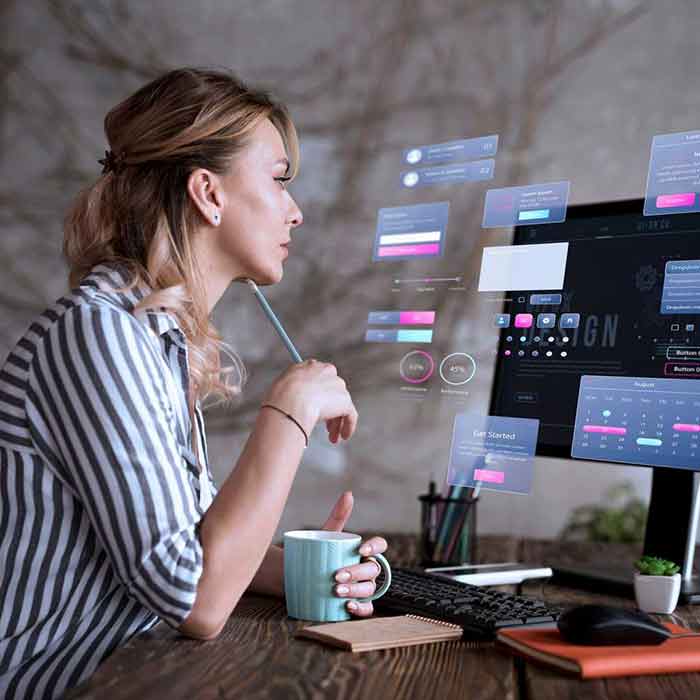
planning discussion between website developer and client
melbourne web developer commencing a website development custom code task
planning website during development phase

Think Like Your Future Visitor: The Role of SEO from Day One

Our website development service will create what you’ve always wanted: an attractive online presence that delivers value to your visitors and revenue to your business.
The visitors need to find you, appearing for the queries they search when their intent to move forward is high.
With that in mind, Search Engine Optimisation (SEO) is not an afterthought. For maximum impact it should be integrated into your website from the beginning.
This means:

Keyword Research Before Development

What are people searching when they need what you offer? Tools like Google Keyword Planner as well as Neil Patel’s Ubersuggest can help you understand Search Intent.

SEO-friendly Site Architecture

Clean code, fast loading speeds, and logical page structure are critical. And let’s not forget the importance of clear navigation, so that users can find what they want with the minimum number of clicks.

Metadata, Headings, and Internal Linking

These should be designed as part of your initial content strategy, not patched in later.

Responsive Design - From Hand-held Devices to Big Screens

Google prioritises mobile usability in search rankings. Additionally, you want to have every chance to keep a visitor and give them opportunities to become a customer, regardless of what they’re using to surf the web. Our responsive testing will ensure your website works as it should across a wide range of screen sizes.

Starting your website with SEO in mind can drastically improve visibility, helping you attract organic traffic from the start—and keep it coming. More traffic generally leads to higher rankings and better visibility. Nothing beats being seen in organic search.

include search engine optimisation as part of website development specifications

Content Management Going Forward: Harness The Power of WordPress

Once your website is live, it shouldn’t sit static. Content updates, blog posts, portfolio additions—these are vital to staying relevant online.